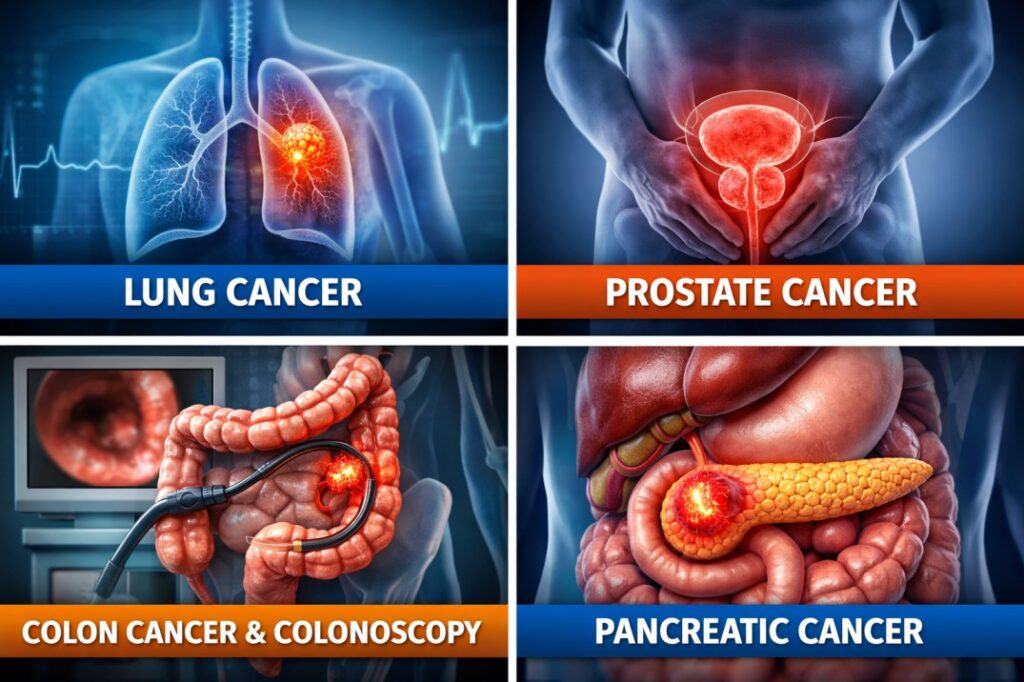
Cancer remains one of the most searched health topics worldwide. Every day, millions of people seek reliable information about its symptoms, causes, and treatment options. From lung cancer to prostate cancer, awareness at an early stage can make a life-saving difference. This article explains cancer in simple terms and highlights its most common forms, early symptoms, causes, and modern medical treatments.
What Is Cancer?
Cancer is a condition in which abnormal cells multiply without control and invade nearby or distant parts of the body. Under normal conditions, cells grow and divide in a balanced way. When this system fails, damaged cells survive longer than they should and begin forming tumors or spreading through the blood and lymph systems.
Some cancers progress slowly, while others spread rapidly, making early diagnosis extremely important.
Most Common Forms of Cancer
Certain types of cancer attract higher public attention because they affect millions of people globally.
1. Lung Cancer
Lung cancer is one of the leading causes of cancer-related deaths. Smoking is the primary cause, but non-smokers may also develop it due to air pollution, workplace chemicals, or inherited risk factors.
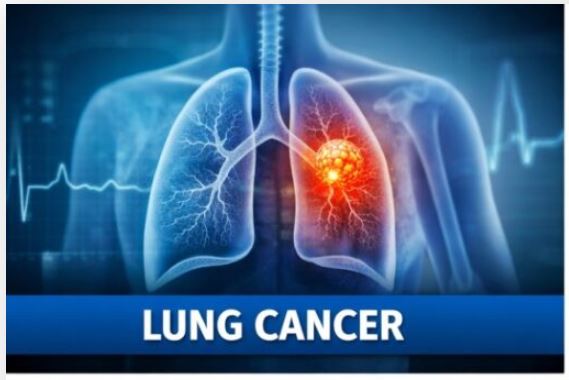
Common symptoms include:
- Long-lasting cough
- Chest discomfort
- Breathing difficulty
- Sudden weight loss
2. Prostate Cancer
Prostate cancer mainly affects men and becomes more common after age 50. Many cases develop slowly, but some can grow aggressively.
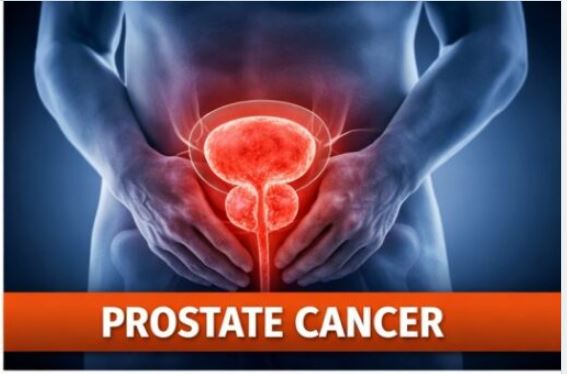
Possible symptoms:
- Trouble passing urine
- Weak or slow urine stream
- Blood in urine
- Pain in lower abdomen or hips
Early testing greatly improves treatment success.
3. Colon Cancer
Colon cancer starts in the large intestine and is strongly influenced by diet and lifestyle. Regular screening is key to prevention.
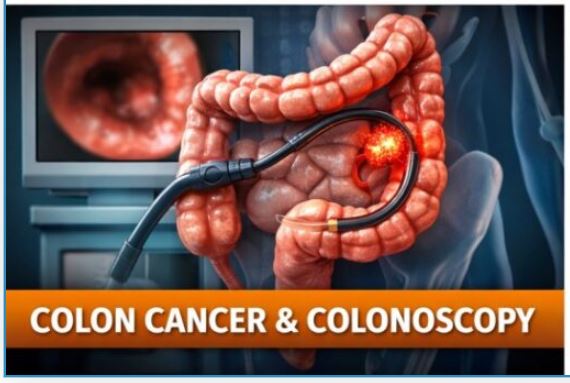
A colonoscopy is the most reliable method for detecting colon cancer early. During this procedure, doctors can remove abnormal growths before they turn cancerous.
Typical signs include:
- Blood in bowel movements
- Stomach pain
- Changes in digestion
- Tiredness
4. Pancreatic Cancer
Pancreatic cancer is difficult to detect early because symptoms usually appear at advanced stages. It is considered one of the most serious cancer types.
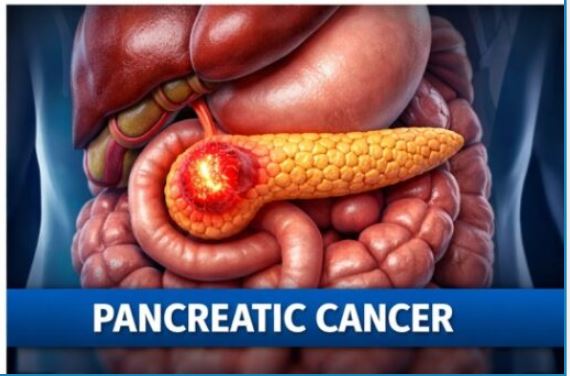
Warning signs may include:
- Yellowing of skin or eyes
- Pain in upper abdomen
- Rapid weight loss
- Poor appetite
What Causes Cancer?
Cancer usually develops due to a combination of factors rather than one single cause. Major contributors include:
- Smoking and tobacco use
- Poor nutrition
- Physical inactivity
- Excess body weight
- Alcohol intake
- Genetic changes
- Radiation or chemical exposure
- Weak immune defenses
Lowering these risks can significantly reduce cancer chances.
Early Symptoms That Should Not Be Ignored
Symptoms vary depending on the cancer type, but common warning signs include:
- Unintentional weight loss
- Ongoing tiredness
- Lumps or swelling
- Unusual bleeding
- Continuous pain
- Difficulty swallowing
- Skin changes
If these symptoms continue for more than two weeks, medical advice should be sought immediately.
Modern Cancer Treatment Options
With advances in medical science, cancer treatment has become more effective and targeted. Treatment plans depend on cancer type and stage.
1. Surgery
Removes cancerous tissue before it spreads.
2. Chemotherapy
Uses medicines to destroy fast-growing cancer cells.
3. Radiation Therapy
Uses high-energy beams to eliminate cancer cells.
4. Targeted Therapy
Focuses on specific cancer cell features while protecting healthy cells.
5. Immunotherapy
Helps the immune system recognize and attack cancer cells naturally.
Doctors often combine treatments, especially for lung and prostate cancer, to improve results.
Why Early Detection Matters
Finding cancer early increases survival rates dramatically. Key screening tests include:
- Colonoscopy for colon cancer
- PSA blood test for prostate cancer
- CT scans for lung cancer
- Blood tests and scans for pancreatic cancer
Regular health checkups can save lives.
How to Reduce Cancer Risk Naturally
Not all cancers can be prevented, but healthy habits lower risk:
- Stop smoking
- Eat more fruits and vegetables
- Stay physically active
- Maintain healthy body weight
- Limit alcohol intake
- Protect skin from UV rays
- Take recommended vaccines (HPV, Hepatitis B)
Conclusion
Cancer is a serious illness, but today it is no longer always fatal. Early diagnosis, proper medical care, and healthy lifestyle choices greatly improve survival. Awareness of prostate cancer, lung cancer, colon cancer, pancreatic cancer, and colonoscopy screening plays a major role in reducing cancer-related deaths.
Learning about cancer today helps protect your tomorrow.