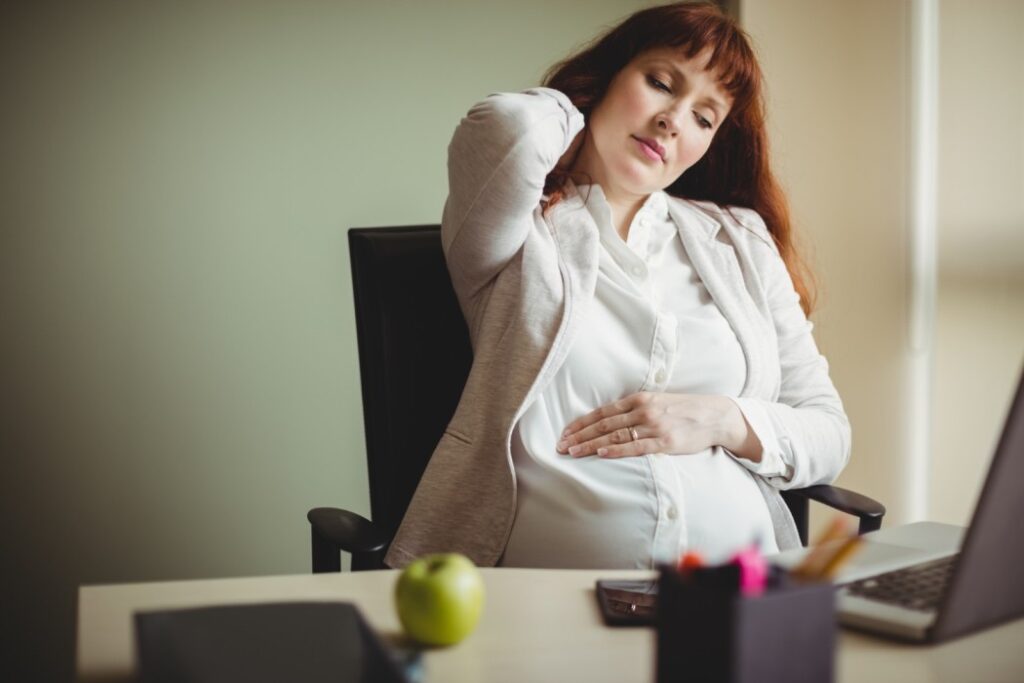
Back pain during pregnancy is one of the most common complaints among expecting mothers in the United States. Studies suggest that nearly 70% of pregnant women experience some level of back discomfort, especially as pregnancy progresses. While this pain is often considered a normal part of pregnancy, it can still interfere with daily activities, sleep, and emotional well-being.
Understanding why back pain happens, how to manage it safely, and when it may signal a medical issue can help pregnant women feel more in control and confident throughout their pregnancy journey.
Why Does Back Pain Occur During Pregnancy?
Back pain during pregnancy is caused by a combination of physical, hormonal, and lifestyle changes.
1. Hormonal Changes
During pregnancy, the body releases a hormone called relaxin, which helps loosen ligaments in the pelvis so the body can prepare for childbirth. However, relaxin also affects ligaments supporting the spine, making joints less stable and increasing the risk of muscle strain.
2. Weight Gain
A growing baby, placenta, and amniotic fluid add extra weight to the body. This additional weight puts pressure on the spine and lower back muscles, forcing them to work harder to maintain balance.
3. Shift in Center of Gravity
As the abdomen expands, the body’s center of gravity moves forward. To compensate, many women lean backward, which changes posture and increases strain on the lower back.
4. Muscle Separation
The abdominal muscles stretch to make room for the baby and may separate slightly. This reduces their ability to support the spine properly, placing more burden on the back muscles.
5. Emotional Stress
Stress causes muscle tension, especially in the shoulders and back. Pregnant women dealing with anxiety or fatigue may experience more intense back pain as a result.
Types of Back Pain During Pregnancy
Back pain in pregnancy does not feel the same for everyone. The most common types include:
- Lower back pain: Felt around the waistline and is the most common form.
- Posterior pelvic pain: Pain deep in the buttocks or near the tailbone, especially when walking or climbing stairs.
- Upper back pain: Often related to posture changes and breast enlargement.
Some women feel pain only after standing or walking for long periods, while others experience discomfort when sitting, sleeping, or even lying down.
Risk Factors for Pregnancy Back Pain
Certain factors increase the likelihood of experiencing back pain during pregnancy:
- History of back pain before pregnancy
- Carrying multiple babies (twins or triplets)
- Rapid or excessive weight gain
- Poor posture
- Physically demanding work
- Lack of physical activity
Knowing these risk factors can help women take preventive steps early in pregnancy.
Safe Ways to Relieve Back Pain During Pregnancy
1. Improve Posture
Stand straight with your chest lifted and shoulders relaxed. Avoid slouching or arching your back excessively. When sitting, use a chair with good back support or place a small pillow behind your lower back.
2. Sleep Position Matters
Doctors in the United States recommend sleeping on your side, preferably the left side, to improve circulation. Placing a pillow between your knees and another under your belly can keep the spine aligned and reduce pressure on the back.
3. Wear Supportive Footwear
Avoid high heels and flat shoes without arch support. Shoes with cushioning and good arch support help maintain proper posture and reduce back strain.
4. Gentle Exercise
Regular physical activity strengthens muscles that support the spine. Safe options include:
- Walking
- Prenatal yoga
- Swimming
- Stretching exercises
- Pelvic tilts
Always consult your healthcare provider before starting any new exercise routine.
5. Heat and Cold Therapy
A warm (not hot) heating pad applied to the lower back for 15–20 minutes can relax muscles. Cold packs may help reduce inflammation. Never place heat directly on the abdomen.
6. Maternity Support Belt
Support belts help distribute the weight of the belly evenly and reduce pressure on the lower back and pelvis. Many women in the USA use these belts during the second and third trimesters.
7. Avoid Heavy Lifting
If lifting is necessary, squat down and lift using your legs rather than bending forward. Avoid twisting motions while lifting.
Medical and Professional Treatments
When home remedies are not enough, medical professionals may suggest:
- Physical therapy: Tailored exercises to strengthen back and core muscles
- Prenatal massage therapy: Helps relax tense muscles and improve circulation
- Chiropractic care (prenatal-certified): Focuses on spinal alignment
- Acupuncture: Some women find relief with OB-approved acupuncture
Always discuss these treatments with your OB-GYN or midwife before starting.
Medications and Pain Relief
Most doctors in the USA recommend avoiding pain medications unless necessary. Acetaminophen is often considered safe during pregnancy, but it should only be taken under medical guidance. Avoid nonsteroidal anti-inflammatory drugs (NSAIDs) unless prescribed.
Natural pain relief methods are generally preferred whenever possible.
When Is Back Pain a Warning Sign?
While back pain is usually harmless, it can sometimes signal a more serious condition. Seek medical care immediately if you experience:
- Severe or sudden pain
- Fever with back pain
- Pain during urination
- Vaginal bleeding
- Regular cramping or contractions
- Numbness or weakness in the legs
- Pain that does not improve with rest
These symptoms could indicate preterm labor, kidney infection, or nerve compression and require urgent medical evaluation.
Can Back Pain Be Prevented During Pregnancy?
Although it cannot always be avoided, back pain can often be reduced with preventive strategies:
- Maintain a healthy pregnancy weight
- Stay physically active
- Practice good posture
- Strengthen abdominal and pelvic muscles
- Take frequent breaks from standing or sitting
- Use supportive sleep pillows
- Manage stress through relaxation techniques
Early action helps prevent pain from becoming severe later in pregnancy.
Emotional and Mental Impact
Chronic back pain can affect mood, sleep quality, and daily productivity. Many pregnant women in the United States report feeling frustrated or exhausted due to constant discomfort. Emotional stress can further increase muscle tension, creating a cycle of pain and fatigue.
Talking openly with healthcare providers about pain levels ensures proper treatment and emotional support throughout pregnancy.
Frequently Asked Questions (FAQs)
Is back pain normal in early pregnancy?
Yes, back pain can occur even in the first trimester due to hormonal changes and posture adjustments.
Does back pain mean labor is approaching?
Not always. However, rhythmic lower back pain combined with contractions may be a sign of labor.
Can exercise make back pain worse?
Improper exercise can worsen pain, but gentle prenatal exercises usually improve muscle strength and reduce discomfort.
Is it safe to use heating pads?
Yes, as long as the heat is mild and not applied to the abdomen.
Final Thoughts
Back pain during pregnancy is extremely common, but it does not have to dominate your pregnancy experience. Understanding the causes and using proven relief strategies can help women stay active, comfortable, and emotionally balanced throughout pregnancy.
If pain becomes severe or interferes with daily life, early medical consultation is essential. With proper care, most women can manage back pain safely and enjoy a healthier pregnancy.
if you want to lose belly fat click here